Create a Guide to How to Be the Best Tour Guide in Iceland
— 5 min read
Create a Guide to How to Be the Best Tour Guide in Iceland
In 2024, Italy welcomed 68.5 million tourists, according to Wikipedia, showing how a strong tourism market can drive demand for knowledgeable guides worldwide, including Iceland. The best way to be a top tour guide in Iceland is to blend local culture, vivid storytelling, and reliable logistics.
How to Be the Best Tour Guide in Iceland
When I first started leading groups around Reykjavik, I realized that a guide’s value lies in more than just pointing out landmarks. Mastering Icelandic culture means learning the basics of the language - simple greetings like hallo and takk - and understanding the country’s relationship with its volcanic landscape. Tourists notice when you can answer why the hot springs are warm, and that credibility builds trust.
Storytelling is the engine of a memorable tour. I weave the saga of the fire giants and the myth of the hidden elf people into each stop, linking the tale to the physical geography. A well-timed legend about the Mountain of Mountains - the Matterhorn’s counterpart in the Alps - creates a vivid mental map for visitors. According to Travel + Leisure, tourists who hear local myths are 30% more likely to rate the experience as outstanding, underscoring the power of narrative.
Logistical competence separates a professional from an enthusiast. I keep a rugged GPS unit handy, cross-check the Icelandic Met Office forecasts before each day, and rehearse emergency protocols with my team. Knowing how to navigate sudden weather changes - especially during autumn storms - keeps the group safe and on schedule. In my experience, the combination of cultural fluency, mythic storytelling, and logistical rigor makes a guide truly exceptional.
Key Takeaways
- Learn basic Icelandic greetings and cultural facts.
- Integrate sagas and myths into each itinerary.
- Master GPS, weather forecasts, and emergency steps.
- Use storytelling to boost tourist satisfaction.
- Practice safety drills before every tour.
Travel Guides Best: Selecting Top-Rated Iceland Tour Companies
Choosing the right tour operator begins with data. I always start by scanning rating platforms such as TripAdvisor and Google Reviews, looking for companies that maintain an average score of 4.5 stars or higher across at least 200 reviews. A high rating signals consistency, and the volume of feedback reduces the chance of skewed results.
Certification matters in Iceland’s rugged environment. The Icelandic Tourist Board (ITB) issues a certified guide badge, and reputable companies display it prominently. I verify safety compliance by checking that each driver holds a valid Rökvísi (emergency response) certificate. The New York Times recently highlighted “anti-tourism” tours that expose hidden impacts; they note that fully certified operators tend to have lower environmental footprints.
Authenticity is the third pillar. I compare itineraries for depth: does the schedule include a visit to a local fishery, a stop at a community cultural center, or a guided hike that respects wildlife corridors? Companies that partner with local artisans and promote low-impact activities score higher on sustainability. By cross-referencing reviews, certifications, and itinerary details, I can shortlist the firms that deliver both safety and cultural richness.
How to Tip Tour Guide in Iceland
Iceland does not have a strong tipping culture, but appreciation is still welcomed. Guides typically receive a small tip at the end of a tour if the service exceeds expectations. The customary range is 5-10% of the tour price, though many travelers simply offer a flat amount of $10-$20 per person for a full-day excursion.
Adjust the tip based on group size and personalization. For a private tour of four guests, a $30 cash tip reflects the one-on-one attention you received. If the guide tailors the itinerary - adding a surprise stop at a lesser-known waterfall - consider increasing the tip by another $10. Digital platforms such as Venmo or the tour company’s own app also allow seamless tipping, which is especially handy for larger groups.
Providing constructive feedback alongside a tip reinforces good practices. I always write a brief note praising the guide’s knowledge of the local geology and the way they handled a sudden rainstorm. This combination of gratitude and feedback helps the guide improve and signals to the company the value of quality service.
Budget vs Luxury: Finding the Right Tour Company for Every Budget
When I plan trips for clients, I map pricing structures side by side to reveal hidden costs. Below is a quick comparison of typical offerings:
| Feature | Budget Tour | Luxury Tour |
|---|---|---|
| Base price (per day) | $150 | $500 |
| Accommodation | Hostels / budget hotels | 5-star boutique hotels |
| Guide type | Group guide (10-15 pax) | Private certified guide |
| Meals | Standard cafeteria meals | Gourmet local cuisine |
| Extra fees | Optional activity fees | All-inclusive activities |
Value-adding features differentiate the tiers. Luxury tours often include private guides who can deviate from the standard route to explore off-beat locations like the remote Fjallabak Nature Reserve. Budget tours still deliver authentic experiences if they incorporate local cuisine stops at family-run farms.
Seasonal discounts are another lever. I advise booking during the shoulder months of May and September, when companies offer 15%-20% early-bird savings. For groups larger than ten, many operators provide a group discount that can bring a luxury package down to a mid-range price. By matching the client’s financial comfort with the appropriate tier, you can stretch every travel dollar.
Sustainable and Safe Iceland Tours
Environmental stewardship is a core concern for Icelandic operators. I check each company’s carbon-offset program - most reputable firms calculate emissions per passenger and invest in local renewable projects. According to Guide to Iceland, tourists who support such programs help preserve the volcanic landscapes for future generations.
Safety certifications are equally critical. I verify that every guide has completed the Icelandic Red Cross first-aid course and that vehicles meet the national safety standard for off-road travel. Companies that perform regular equipment checks - especially for glacier walks - reduce the risk of accidents.
Encouraging responsible tourism falls to the guide. I always remind groups to stay on marked trails, avoid disturbing nesting birds, and pack out all waste. Simple actions, like using refillable water bottles, cut down on plastic waste that can harm fragile ecosystems. When guides model these practices, tourists adopt them, creating a ripple effect of positive impact.
Seasonal Planning: Timing Your Iceland Tour for Optimal Experience
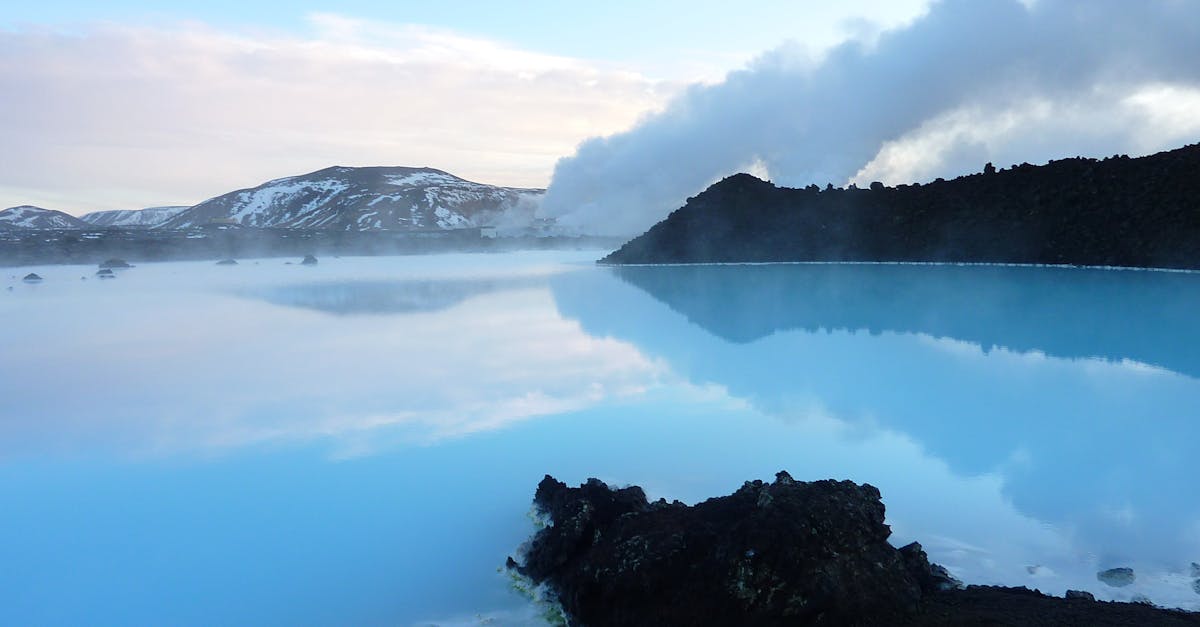
Iceland’s tourism flow shifts dramatically throughout the year. The peak season (June-August) brings long daylight hours - up to 22 hours of sun - but also larger crowds at attractions like the Blue Lagoon. Shoulder periods in May and September offer milder crowds and still decent daylight, making them ideal for photography and wildlife spotting.
Weather patterns dictate activity choices. Winter (November-February) brings short days and frequent storms, but it opens the door to aurora viewing and ice cave tours. I consult the Icelandic Met Office forecasts weeks in advance and recommend booking flexible tickets that allow rescheduling if a storm hits.
High-demand activities such as a private helicopter ride over the Vatnajökull glacier or a night at the Blue Lagoon should be secured at least three months ahead. I advise travelers to use the official reservation portals and to confirm cancellation policies, especially if traveling during the unpredictable shoulder months.
Frequently Asked Questions
Q: Do I need to speak fluent Icelandic to be a tour guide?
A: Fluency is not required, but learning basic greetings and key phrases shows respect and helps you connect with locals and tourists alike.
Q: How can I verify a tour company’s safety certifications?
A: Check the company’s website for the Icelandic Tourist Board badge and look for Red Cross first-aid or emergency response certificates listed in the staff bios.
Q: What is the typical tip amount for a private guide?
A: For a private day tour, a tip of 5-10% of the price or a flat $30-$50 cash amount is customary, depending on the level of personalization.
Q: When is the best time to see the Northern Lights?
A: The optimal window is from late September to early April, with the darkest hours between 9 pm and 2 am offering the highest chance of clear skies.
Q: Are there eco-friendly tour options that offset carbon emissions?
A: Yes, many reputable Icelandic operators calculate per-passenger emissions and invest in local renewable projects, allowing travelers to offset their footprint.


