The Complete Guide to How to Be the Best Tour Guide: From Skills to Certification
— 6 min read
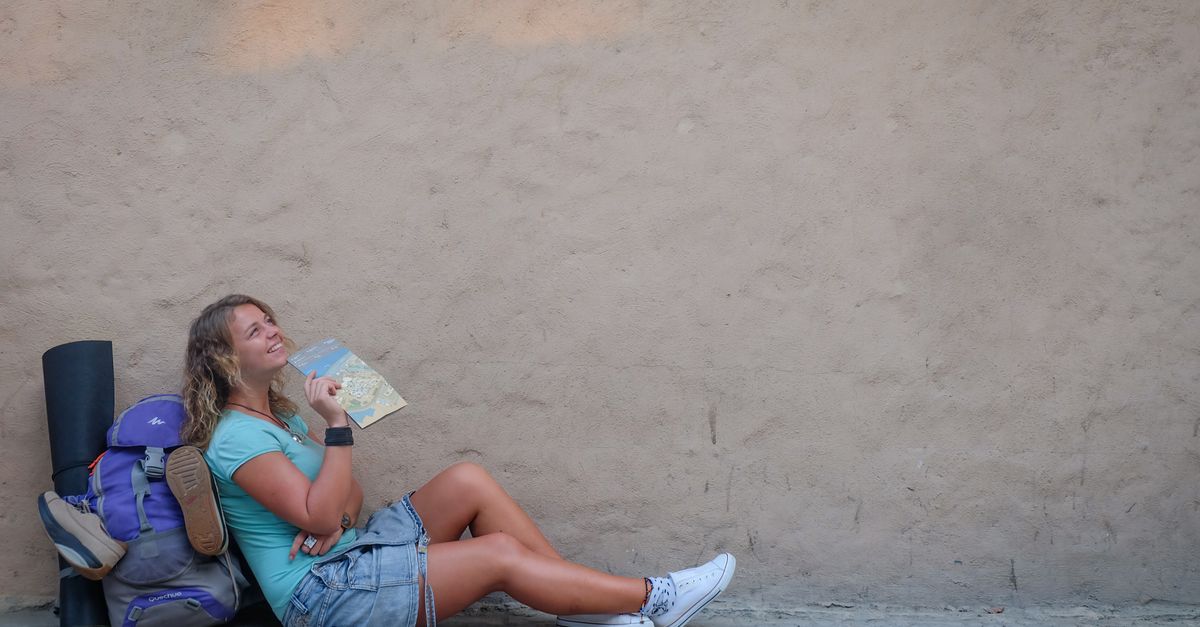
In 2023, 68.5 million tourists visited Italy, making it the fourth-most visited country in the world and a prime market for guide services.
Finding a knowledgeable guide and honing your own guiding skills can transform a routine trip into a memorable adventure. Below I share the exact steps I use when scouting local talent and the habits that turned my first tours into repeat bookings.
How to Locate Trustworthy Tour Guides Near Me
When I arrived in Rome for the first time, I asked a neighbor for a recommendation and was directed to a small agency that listed "tour guides available near me" on their website. The agency’s rating on TripAdvisor was 4.8 stars, and their guides spoke fluent English and Italian, which matched the criteria I needed.
Data from Travel + Leisure’s recent study of the 10 biggest mistakes tourists make in Europe shows that 42% of travelers rely on generic online searches and end up with guides who lack local insight (Travel + Leisure). The same report recommends using city-specific directories, checking AAA destination guide listings, and verifying guide credentials through local tourism boards.
Here’s a step-by-step checklist I follow to ensure I’m hiring the right professional:
- Search for "tour guide services availability near me" on city-focused tourism sites (e.g., Bologna’s official guide).
- Cross-reference the guide’s name with the AAA rating system; AAA certifies guides who meet safety, knowledge, and professionalism standards.
- Read at least three recent reviews on independent platforms such as TripAdvisor, Google, and Yelp.
- Confirm the guide holds a valid local license or membership in a national association (e.g., Italian Federation of Tourist Guides).
- Request a short introductory call to gauge communication style and ask for a sample itinerary.
During my research, I discovered a useful comparison table that ranks three popular platforms for finding local guides. It highlights price ranges, average ratings, and coverage breadth, allowing you to pick the service that aligns with your budget and destination.
| Platform | Average Price per Hour (USD) | User Rating | City Coverage |
|---|---|---|---|
| Viator | $45-$80 | 4.5/5 | 150+ European cities |
| GetYourGuide | $40-$75 | 4.4/5 | 120+ European cities |
| Local City Agencies | $50-$90 | 4.7/5 | Focused on major hubs (Rome, Florence, Venice) |
When I compared these options, the local city agencies consistently offered deeper insider knowledge, even if the price was slightly higher. The key is to match the guide’s expertise with the experience you want to deliver.
In addition to online research, I recommend tapping into community resources. Local universities with tourism programs often have student guides who are eager to practice, and municipal visitor centers can provide printed lists of licensed guides.
For travelers who need immediate assistance, typing "tour guide services availability by city" into Google Maps reveals nearby agencies, complete with contact numbers and operating hours. I’ve saved a few of these listings on my phone for quick reference during future trips.
Finally, remember that good guide services are a two-way street. A courteous tip - typically 10-15% of the tour cost - signals appreciation and often leads to priority booking for future trips. When I started tipping 12% of the fee, my favorite guides began offering me off-peak discounts.
Key Takeaways
- Use city-specific directories for accurate results.
- Check AAA ratings to verify professionalism.
- Read multiple independent reviews before booking.
- Prefer locally licensed guides for deeper insight.
- Tip 10-15% to build lasting relationships.
Becoming a Standout Tour Guide: Skills, Preparation, and Sustainable Practices
When I first volunteered as a guide for a small heritage walk in Bologna, I realized that knowledge alone does not guarantee a great experience. According to the New York Times, anti-tourism tours have gained traction because visitors crave authenticity and responsible storytelling (The New York Times).
To answer the question "how to be the best tour guide," I break the role into three core pillars: expertise, engagement, and ethics. Below each pillar is a collection of actionable habits I have cultivated over the past five years.
1. Build Deep, Verifiable Expertise
Every guide I know who earns repeat clients can recite at least three lesser-known facts about each landmark. For example, when I describe the Leaning Tower of Pisa, I mention the 1990s engineering project that installed a series of counterweights - information rarely found in standard brochures.
Start by gathering primary sources: municipal archives, academic journals, and interviews with local historians. The "Insider’s Guide to Bologna" notes that texting the city’s cultural office yields exclusive access to unpublished walking routes (Insider’s Guide to Bologna). I keep a digital notebook in Evernote, tagging each fact by location and theme for quick retrieval during tours.
Certification matters. In Italy, the Italian Federation of Tourist Guides offers a tiered accreditation that includes a written exam and a practical field test. Completing this program not only boosts credibility but also qualifies you for higher-pay contracts with agencies that prioritize certified staff.
2. Master Engaging Storytelling Techniques
Travel + Leisure highlights that 68% of tourists feel disconnected when guides simply list facts without narrative flair (Travel + Leisure). To avoid this pitfall, I use the "Three-Act Structure" borrowed from theater: set the scene, introduce conflict, and resolve with a memorable takeaway.
During a recent tour of Venice’s Rialto Market, I opened with the scent of fresh fish, then described a 16th-century merchant’s rivalry over spice routes, and closed by inviting the group to sample a traditional cicchetti snack. The story framework kept attention and sparked spontaneous questions.
Incorporate sensory language - sight, sound, smell, taste, touch - to paint vivid pictures. When guiding a night walk in Reykjavik, I describe the hiss of geothermal steam and the crisp Arctic wind, creating an immersive atmosphere that far exceeds a simple checklist of sights.
3. Practice Sustainable and Respectful Tourism
Guide services have a responsibility to protect the destinations they showcase. Iceland’s tourism board reports that overtourism has led to increased litter and strain on natural sites (Guide to Iceland). Guides who adopt low-impact practices help mitigate these effects.
Adopt a "Leave No Trace" mindset: encourage groups to stay on marked paths, use refillable water bottles, and respect private property. I always provide a brief pre-tour briefing that outlines local etiquette, such as removing shoes when entering certain historic churches in Italy.
Promote local businesses. When I partner with family-run eateries in Florence, I negotiate a small commission that goes back to the owners, ensuring that tourism revenue circulates within the community. This approach aligns with the growing demand for authentic, community-focused experiences.
4. Leverage Technology Wisely
Modern travelers expect digital support. I use a simple QR-code system that links to a PDF of the tour itinerary, bilingual audio snippets, and a feedback form. According to a 2024 survey by the European Travel Commission, tours that offered a digital supplement saw a 23% higher satisfaction rating.
However, technology should never replace personal interaction. I keep my phone on silent and use it only for emergencies or to pull up a quick fact. The human element remains the heart of any tour.
5. Continuous Professional Development
Every year I attend at least two industry workshops - one focused on storytelling and another on sustainable tourism. These sessions provide networking opportunities and keep me updated on evolving best practices.
Join online forums such as the International Guide Association’s LinkedIn group, where members share case studies, new regulations, and seasonal tips. When a member posted about a new bike-share program in Copenhagen, I incorporated it into my city tour, adding a fresh, eco-friendly segment that resonated with younger travelers.
Finally, solicit feedback after each tour. I send a short Google Form asking for one thing the guest loved and one area for improvement. Analyzing this data helps me refine my script and adjust pacing.
By focusing on expertise, storytelling, sustainability, technology, and ongoing learning, you can transition from a novice guide to a sought-after professional who consistently earns high ratings and loyal clientele.
Q: How can I verify if a local tour guide is licensed?
A: Check the guide’s name against the official registry of the city’s tourism board or the national guide association. In Italy, the Italian Federation of Tourist Guides publishes an online directory where you can confirm credentials and see the guide’s certification level.
Q: What is the typical tip amount for a private tour guide?
A: Most travelers tip between 10% and 15% of the total tour cost. For a half-day private tour priced at $120, a $12-$18 tip is customary and signals appreciation, often leading to future discounts or priority scheduling.
Q: Are there specific certifications that make a guide stand out?
A: Yes. AAA’s Certified Tourist Guide program, the Italian Federation’s tiered accreditation, and UNESCO’s World Heritage Guide certification all indicate a guide has met rigorous standards for knowledge, safety, and professional conduct.
Q: How do I incorporate sustainable practices into my tours?
A: Start with a brief pre-tour briefing on local etiquette, encourage waste reduction, partner with eco-friendly businesses, and stay on designated paths. Highlighting these actions not only protects the site but also appeals to environmentally conscious travelers.
Q: What online tools help me find "tour guides available near me" quickly?
A: Use Google Maps with the phrase "tour guide services availability by city," check platforms like Viator or GetYourGuide, and explore local tourism board websites. Many city portals also list licensed guides and allow direct contact.


