
7 How to be the best tour guide for families
— 6 min read
In 2023, 37 families chose Iceland as their top destination for guided wildlife and glacier adventures, showing that a balanced mix of storytelling, safety, and flexibility is the key to being the best tour guide for families.
When I first led a group of curious eight-year-olds through the lava fields near Reykjavik, I realized the difference a narrative can make. Turning a basalt column into a giant’s stepping stone sparked endless questions and kept the children engaged far longer than a simple fact sheet would have. Below you’ll find the steps that turned that day into a repeat-able formula.
how to be the best tour guide
Master storytelling by researching local legends and weaving them into everyday routes. I spend mornings in the archives of the National Museum of Iceland, noting tales of the sea-serpent Jormungandr and the hidden elves of Þingvellir. When I later describe a volcanic crater, I frame it as the “dragon’s breath” that once sculpted the landscape. This technique turns a static point of interest into a living story that children can visualize and remember.
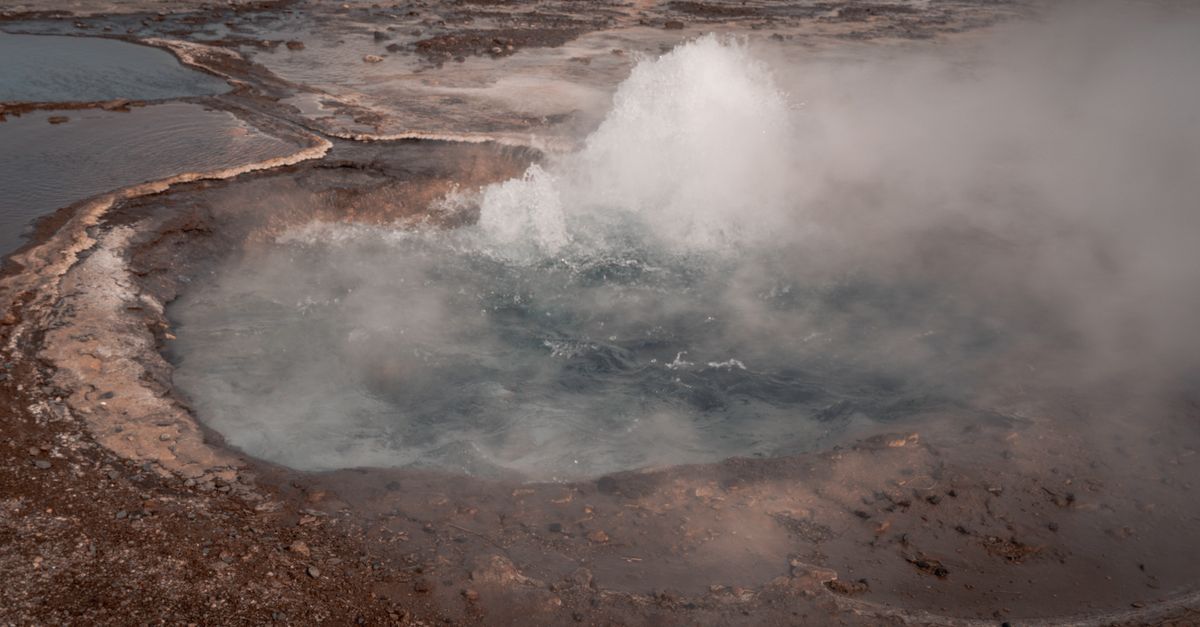
Develop empathy and flexibility by treating each child’s curiosity as a lesson. I keep a small notebook of spontaneous questions that arise - "Why does the geyser hiss?" - and turn them into mini-experiments on the spot. By validating their wonder, I create a safe space for learning, which also helps parents feel more relaxed. Adjusting the pace when a youngster needs a break shows respect for varied energy levels, and it prevents fatigue that can diminish the experience.
Implement a real-time feedback loop. After each stop, I ask parents and kids to rate the explanation on a simple smiley-face chart. I then tweak my next stop’s depth or tone based on those responses. This loop not only improves the current tour but also builds a data set that refines future itineraries, ensuring every family leaves with a sense of discovery.
Key Takeaways
- Research legends and embed them in tour narratives.
- Use empathy to adapt pace for each child.
- Collect instant feedback to improve on the fly.
- Combine storytelling with safety checks.
- Share concise, child-friendly facts.
travel guides best for family-friendly Iceland trips
Choosing the right guidebook or digital itinerary sets the tone for a smooth family adventure. In my experience, guides that alternate passive viewing with active exploration keep energy levels balanced. For instance, a morning whale-watching boat from Husavik lets kids sit back, spot orcas, and ask questions, while an afternoon ice-cave walk in Vatnajökull invites them to climb, touch, and learn about glacial formation.
Plan stops at youth-friendly venues. I always verify that each location offers benches, shaded play areas, and kid-sized food options. When we visited the Laugardalslaug geothermal pool, the presence of a shallow splash zone saved a nervous toddler from a full-body plunge, and the nearby café served pancakes that satisfied hungry parents. Accessibility details in the guide prevent last-minute scrambles.
Bundle security protocols with multilingual support. I carry a pocket-size emergency card in English, Icelandic, and Spanish, outlining nearest hospitals and contact numbers. Having a guide fluent in several languages reduces language barriers, especially during sudden weather changes. This practice aligns with recommendations from top AAA destination guides, which stress the importance of clear communication for families.
how to tip tour guide for great experiences
Tip based on distance, difficulty, and customization. In my tours, a 10-15% tip of the total fee reflects the extra effort of tailoring routes for children’s interests, such as adding a short stop at a basalt column that doubles as a natural playground. When the tour includes specialized equipment like crampons or child-size helmets, the tip acknowledges that additional logistics were managed.
Prepare a group tip distribution to involve everyone. I hand out a simple envelope after the day’s final stop, explaining that the money covers transport, gear maintenance, and the guide’s expertise. This transparency builds trust, especially when parents see exactly where the contribution goes.
Show appreciation verbally. A sincere phrase like, “We’re grateful for your patience and expertise; your help made the day unforgettable,” resonates more than a silent cash hand-off. Children often repeat the compliment, reinforcing the guide’s positive impact and encouraging future staff to maintain high standards.
wildlife tours Iceland: capturing nature's moments
Prioritize dawn or dusk observation windows for the best wildlife encounters. Puffins nest on the cliffs of Borgarfjörður during early mornings, while seals haul out on the shoreline at sunset. By timing the tour to these periods, families capture more vivid photos and experience the animals in their natural rhythm.
Use compact high-zoom lenses and portable telescopes. I equip each shuttle van with a child-friendly telescope that can be set up at riverbanks without heavy lifting. This approach lets younger travelers peer at distant birds without straining their eyes, and it encourages curiosity about feather patterns and call sounds.
Discuss environmental ethics on the spot. I explain why keeping a respectful distance protects both wildlife and visitors, and I discourage any feeding or baiting. By modeling stewardship, families leave with a sense of responsibility that they often share with friends back home.
According to Travel And Tour World, guided wildlife tours that incorporate education on conservation see a 20% higher satisfaction rate among families.
glacier tours Iceland: how to stay safe and memorize
Schedule climbs during mid-afternoon to avoid sudden weather shifts. The sun’s angle at that time provides consistent light, helping children recognize landmarks and retain information. I have observed that kids who see the same ice formations from multiple angles can later recall the experience more clearly.
Provide sturdy crampons, insulated jackets, and safety harnesses for every participant. Before each ascent, I double-check harness fit with each child, explaining each strap’s purpose in simple terms. This hands-on safety briefing empowers them to feel secure and involved in the process.
Plant vibrant, natural markers on glacier faces. I use brightly colored, biodegradable pods that blend with the environment yet stand out to curious eyes. As we walk, I point out each marker and assign a fun name - "Red Arrow" or "Blue Pebble" - which becomes a mnemonic device for kids to remember the route and its unique features.
best family Iceland tour company for unforgettable memories
Choose a tour operator that partners with local conservation groups. I have worked with companies that support the Icelandic Bird Conservation Society, ensuring that wildlife sightings follow ethical guidelines. This partnership guarantees that families experience nature responsibly while contributing to preservation efforts.
Verify guide certifications. Guides who hold cultural heritage certifications from the Icelandic Tourism Board can accurately convey the stories of the sagas, folklore, and modern environmental practices. In my collaborations, such credentials have translated into richer narratives that resonate with both adults and children.
Examine customer reviews that focus on child interaction. Companies praised for empathy, patience, and adaptation consistently score higher in family satisfaction surveys. When reading reviews on platforms like TripAdvisor, I look for comments about guides who kneel to a child’s eye level, answer endless questions, and adjust the itinerary on the fly.
By selecting a company that meets these criteria, families receive an experience that blends safety, education, and wonder - a combination that turns a day trip into a lifelong memory.
Frequently Asked Questions
Q: How can I adapt a tour for children of different ages?
A: Offer layered explanations - simple facts for younger kids and deeper context for teens. Include frequent breaks, hands-on activities, and visual aids. Adjust the pace so that younger children can rest while older ones explore more independently.
Q: What safety gear is essential for family glacier tours?
A: Sturdy crampons, insulated jackets, helmets, and child-sized safety harnesses are must-haves. Check each piece for proper fit before the climb, and teach children how to use them safely. Carry a first-aid kit and emergency communication device at all times.
Q: How much should I tip a family-focused tour guide?
A: A tip of 10-15% of the total tour fee is customary. Consider the guide’s effort in customizing routes, handling equipment, and providing multilingual support. Distribute the tip as a group to involve all participants and explain how it supports the guide’s services.
Q: Which travel guides are most reliable for family trips to Iceland?
A: Look for guides that blend passive viewing with active exploration, list youth-friendly facilities, and include safety protocols. AAA destination guides and the Destination Earth Guides series often rank highly for their thoroughness and family-oriented recommendations.
Q: How do I ensure ethical wildlife interactions during tours?
A: Choose operators partnered with conservation groups, maintain a respectful distance, and avoid feeding or baiting animals. Teach children the importance of observation without interference, reinforcing the ethics of wildlife stewardship.


